
The benefits of a baby stroller in developing infant curiosity and sensory engagement are profound and multifaceted, playing a crucial role in a child’s early developmental stages. A stroller is not just a convenient tool for parents to transport their babies safely and comfortably it also serves as an important environment for infants to explore and engage with the world around them. When infants are placed in a stroller and taken outdoors, they are exposed to a variety of sights, sounds, smells, and textures, all of which stimulate their developing senses. This sensory exposure is essential for building neural connections in the brain, which support cognitive development, emotional regulation, and motor skills. The gentle motion of the stroller itself can have a calming effect on babies, helping them to feel secure while their curiosity is sparked by the new stimuli they encounter during walks or outings. As babies ride in a stroller, they observe the changing environment from trees swaying in the breeze to people walking by, vehicles passing, and pets playing. These visual experiences encourage infants to focus, track moving objects, and begin understanding spatial relationships.
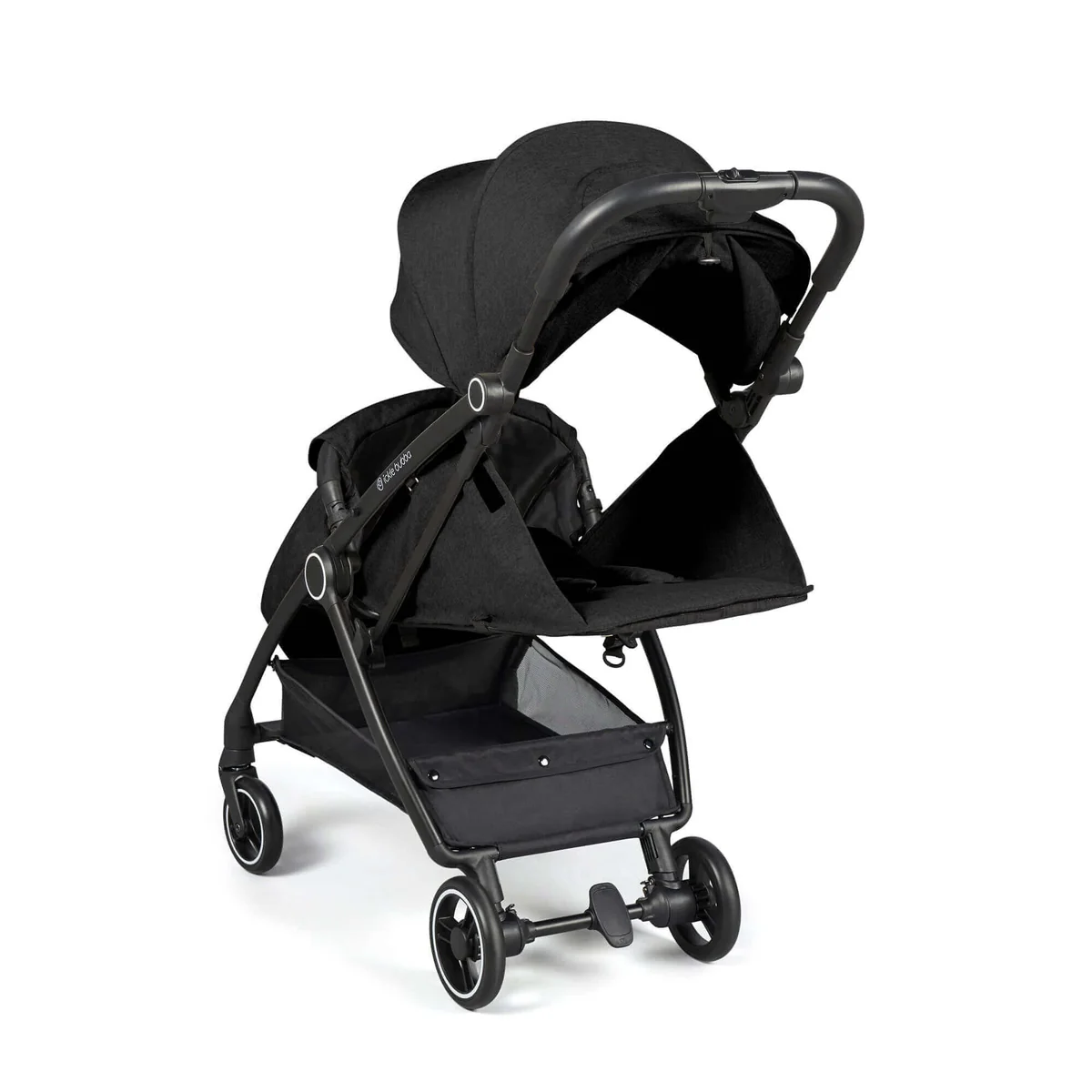
Their auditory senses are simultaneously engaged by the sounds of nature, human voices, and city life, which help to sharpen their ability to differentiate and recognize various noises. Additionally, the smells of flowers, fresh air, and even food can provide olfactory stimulation that adds to their sensory development. Being outside also introduces subtle tactile experiences feeling the warmth of the sun, the coolness of the shade, or a gentle breeze which contributes to the baby’s growing awareness of their body in relation to their surroundings and how old is too old for a stroller. Moreover, the stroller environment allows infants to safely explore and react to new sensory inputs without overwhelming them. Parents can control the pace and duration of outdoor time, ensuring baby remains comfortable and not over stimulated. This controlled exposure builds infant confidence and encourages them to be more curious about their environment. The movement through different settings also promotes cognitive skills such as memory and recognition as babies start to connect repeated sensory experiences with familiar places and objects. Over time, this sensory engagement nurtures the infant’s natural inquisitiveness and desire to learn about the world.
A stroller also supports parent-infant interaction during outings, which further enhances curiosity and sensory engagement. Parents often talk to their babies about what they see and hear, pointing out details and naming objects, which promotes language development and helps infants link sensory experiences to words and concepts. This verbal interaction enriches the baby’s understanding and encourages active participation in the environment rather than passive observation. The stroller becomes a shared space for bonding, where the infant feels secure while being encouraged to explore new sensations. Riverbaby baby stroller is an invaluable tool that fosters infant curiosity and sensory engagement by providing safe, controlled exposure to the diverse stimuli of the outside world. Through visual, auditory, tactile, and olfactory experiences encountered during stroller rides, infants develop critical sensory pathways that underpin cognitive, emotional, and physical growth. The stroller’s ability to combine movement, safety, and parental interaction creates an ideal setting for babies to begin their lifelong journey of exploration and learning.