
Understanding solid state relay (SSR) wiring diagrams is essential for anyone involved in electrical systems, automation, or industrial control processes. Mastery of these diagrams not only enhances technical knowledge but also significantly improves troubleshooting and maintenance efficiency.
Benefits of Studying SSR Wiring Diagrams
Learning SSR wiring diagrams provides several practical advantages:
- Faster Troubleshooting: Familiarity with wiring layouts allows technicians to quickly identify faults, reducing downtime and preventing production losses.
- Improved Maintenance Efficiency: Understanding connections and components ensures preventive maintenance tasks are executed accurately.
- Enhanced Safety: Clear knowledge of the SSR wiring reduces the risk of electrical hazards during inspections or repairs.
- Optimized System Performance: Accurate wiring comprehension allows for precise adjustments, maintaining consistent operational efficiency.
Key Components in SSR Wiring Diagrams
A solid understanding of the diagram requires recognition of essential components:
- Input Terminals: These receive control signals from switches or controllers.
- Output Terminals: They manage the current flow to the load without mechanical contact.
- Load Connections: Represent the devices or equipment powered through the SSR.
- Power Supply Indicators: Show voltage levels and ensure proper configuration.
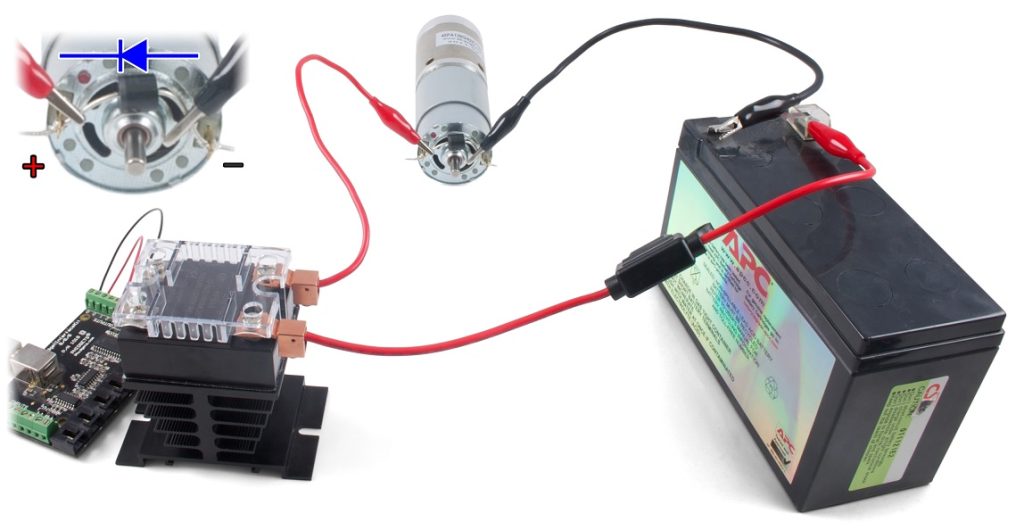
Step-by-Step Approach to Learning SSR Diagrams
To maximize troubleshooting and maintenance efficiency, follow these structured steps:
- Study the Diagram Layout: Familiarize yourself with input, output, and load connections.
- Identify Symbols and Labels: Recognize universal electrical symbols to interpret connections quickly.
- Trace Current Flow: Understand how signals move from input to output terminals.
- Note Safety Precautions: Always check voltage ratings and isolation methods indicated in the diagram.
- Practice Real-World Applications: Simulate fault scenarios to gain hands-on experience in locating issues.
Tips for Effective Maintenance Using SSR Diagrams
Proper diagram knowledge translates into practical efficiency improvements:
- Routine Inspections: Quickly locate key points for testing without guesswork.
- Predictive Repairs: Anticipate potential failures by understanding load paths and relay behavior.
- Documentation Accuracy: Keep wiring schematics updated for future troubleshooting, reducing errors and delays.
- Team Training: Educate colleagues using diagrams to standardize maintenance procedures.
Conclusion
Mastering solid state relay wiring diagrams empowers technicians and engineers to work with confidence, efficiency, and safety. By thoroughly understanding component layouts, signal flow, and proper connection methods, troubleshooting becomes faster and more precise. Maintenance tasks are executed with minimal risk, ensuring consistent system performance and reduced operational downtime. Learning solid state relay wiring diagram improves system setup.
Investing time in learning SSR diagrams is a proactive approach that not only improves technical skills but also enhances overall productivity in electrical and automation projects. Clear comprehension of these diagrams turns complex systems into manageable and reliable solutions, benefiting both professionals and organizations in the long term.